

What are Advent Calendars?
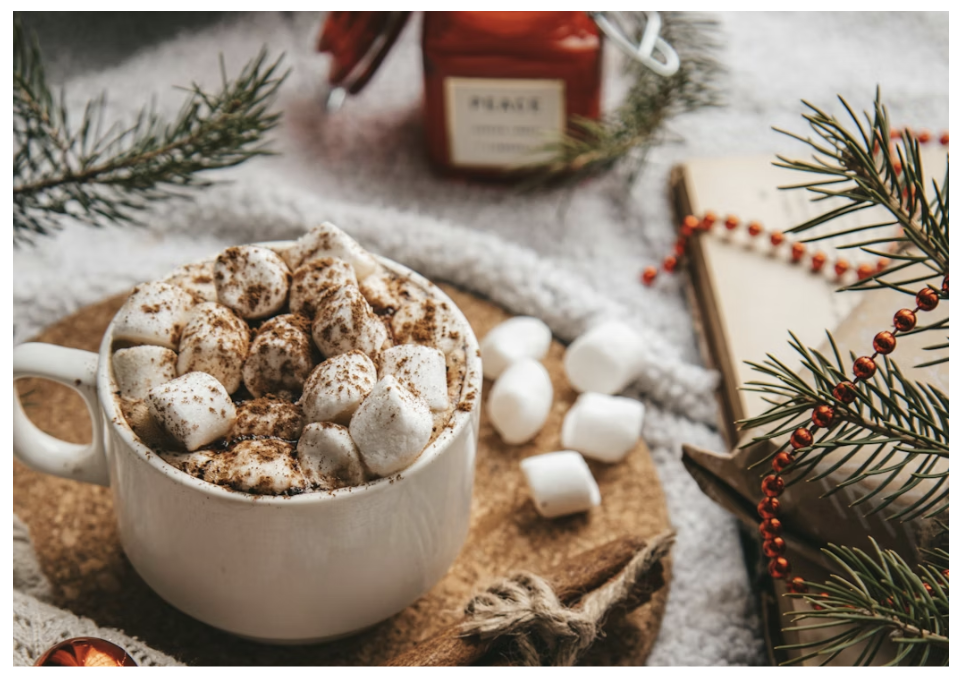
From mouth-melting hot chocolate to Mariah Carey’s cheery “All I Want For Christmas” on the radio, the holiday season marks a time of warmth and joy. But what can be even more rewarding than the sparkly gifts under the Christmas tree–or a menorah, kinara, and anything else–are the little delights tucked inside your advent calendar! Consisting of small, daily surprises, recipients of advent calendars can open a new gift for every day of December, counting from December 1st all the way down to Christmas! The only rule: Don’t open the hidden gifts until their assigned date, and no peeking!
From luxurious advent calendars by brands like Louis Vuitton, to in-game consumables in platforms such as Roblox or Minecraft, to customizable advent calendars to share with your kiddies, friends, and family, there truly is something for everyone. The excitement that comes with the Advent Calendar is how it brightens every day with the joy of receiving gifts – whether that be simply a gooey Lindor chocolate or a cosmetic item from Sephora’s advent calendar.
But rarely do we think of where the tradition stems from. In this article, I’ll walk you through the history of the advent calendar, how marketing has impacted its modern longevity, and how chocolate, food, and taste have become such an essential part of the experience.
Origin and Modern Takes
While today’s advent calendars are not limited to being a religious tradition, their origins stem from Christianity. Religious references range from the 25 days representing the lead-up to Jesus’s birthday (Christmas) to some of the earliest versions of advent calendars, published by Gerhard Lang in the 1920s, featuring pictures of religious figures for each day. If it isn’t the speculated inventor of the calendar, whose primary goal in its creation was to stop her children from continuously asking “How much longer until Christmas?,” it is clear that the advent calendar has been historically connected to Christianity. That being said, today’s advent calendars can contain up to 31 days of gifts to count until New Year’s or simple winter themes to avoid secularity. It shouldn’t be forgotten, too, that the striving away from religious notions allows these calendars to be wonderful marketing tactics for upcoming and established brands. They allow consumers to sample multiple products, generate social media buzz, and even drive tens of millions of dollars in holiday-season sales.
Mastermind Chocolate
After surviving my ridiculously long 400-word introduction to lay the foundations for what an advent calendar is, I’m sure by now you know that one of the many gourmet foods you can find behind the calendar’s daily trapdoors is–drumroll, please–chocolate! (Don’t think you knew that, did you!?)
Since the 1950s, many calendars have evolved from basic assortments of dark and white chocolate to Michelin-star patissier-approved masterpieces. Honestly, have you even imagined the possibilities of chocolates oozing with wine, kumquat, brown cheese, and figs? Or bright, summer-esque flavors like yuzu, mandarin, passion fruit, and lemon? Maybe a caramel champagne ganache. Herbal green tea sprinkles. Flower petals exploding across your palate in combinations you never thought you’d taste! Or–this one was mind-blowing– a sliver of mouth-watering American buckeye to finish it all off!
No matter the idea, elite chocolatiers are ready to push the limits on what the advent calendar was ever meant to be. With almost supernatural chocolate brands like Vosges Haut-Chocolate and Dandelion Chocolate steering this impressionist-era evolution of sweets, chocolate lovers can experience these sensational advent calendars for the very very low price of $198 – and, if you’re lucky, save $68 by buying two! Yes, while honorable chocolate companies like Dandelion Chocolate can feel a little less accessible to the common chocolate lover, it’s more than exciting to even marvel at how chocolatiers can make use of the holiday season. From one chocolate to another, it’s beautiful to think that there is art behind the drop of sugar that tells a story worth more than any picture’s thousand words.
As this holiday season comes closer to a finale, the beauty of winter–seen through chocolate, branding, and the Advent Calendar–might just be, dare I say, all I want for Christmas!