

On March 15th, the film industry came together for the Academy Awards – Hollywood’s annual celebration of the year’s most notable cinematic achievements. As always, the night had its share of emotional speeches, unexpected wins, and glamorous red carpet moments. But this year’s ceremony also felt especially in tune with today’s cultural atmosphere. From major wins by internationally known directors to political statements and a few controversies, the Oscars once again showed that filmmaking’s biggest night is never just about the movies.
Various films dominated the conversation, but the one that ultimately defined the night was One Battle After Another, a political thriller that walked away with the most awards. Its success was notable for both the number of awards it collected and also for its subject matter. The film’s politically charged story about surveillance, immigration, and authoritarianism seemed to have struck a chord with critics and audiences in a year marked by ongoing debates about government oversight and immigration policies around the world.
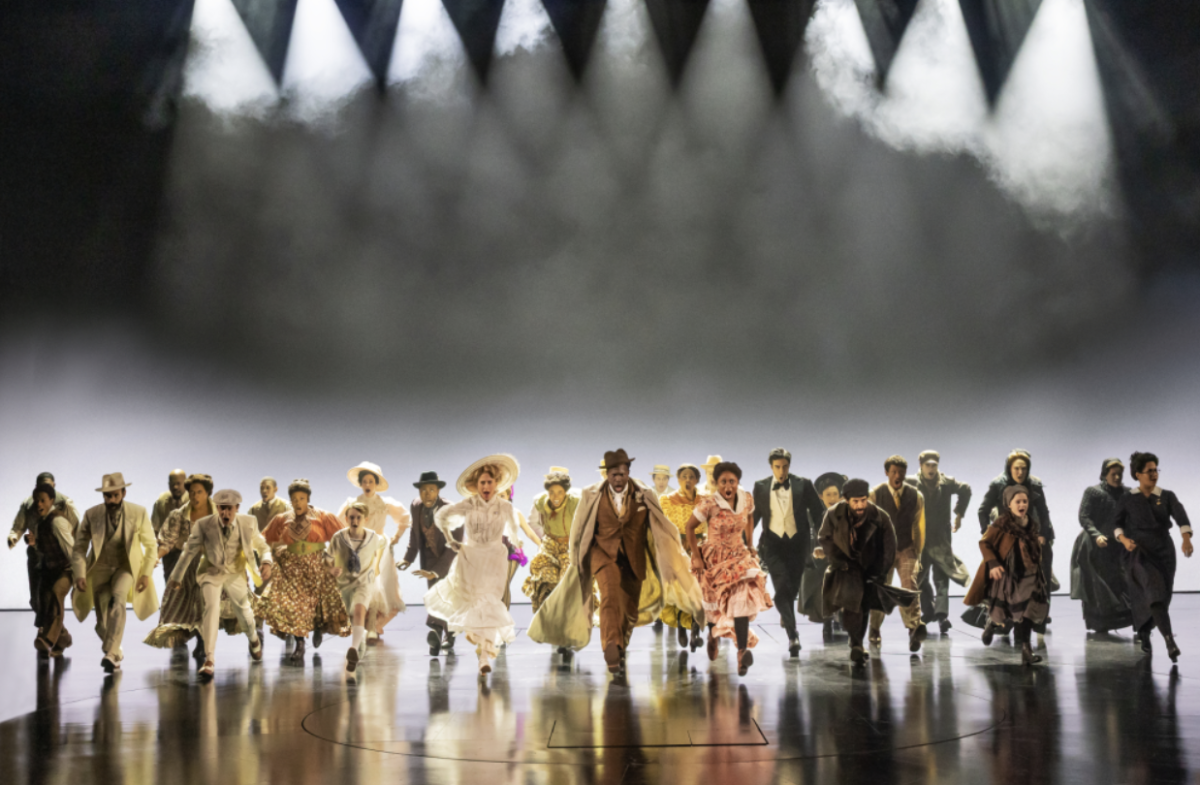
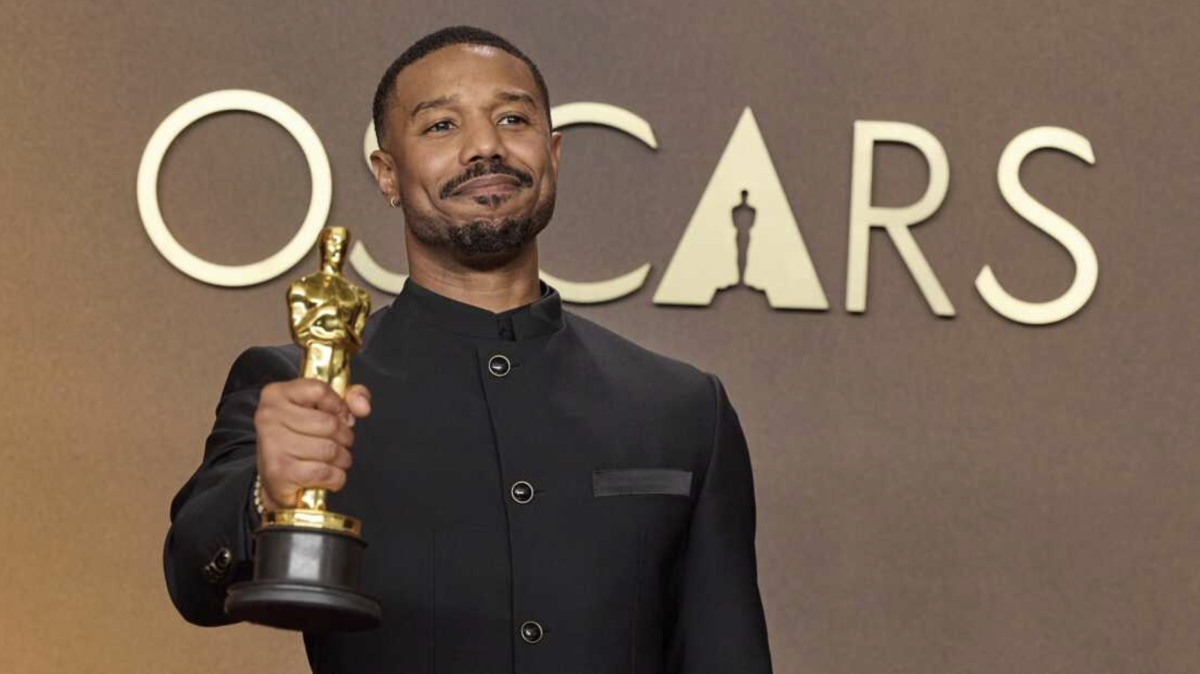
Several other films also played a role in shaping the night’s narrative. Sinners, a Jim Crow-era horror film, continued its impressive awards run with several nominations and wins, including Best Actor for Michael B. Jordan. Seamlessly blending horror with folk elements and musical sequences, the film stood out stylistically as well. Not only that, but it notably places Black characters in positions of power during a period – namely, the Wild West and Jim Crow era – where they were denied authority, thus reshaping familiar historical narratives. Horror has rarely been embraced by Oscar voters, making the film’s recognition a notable moment for the genre.
The ceremony celebrated a wide range of filmmaking styles. Chloé Zhao earned major recognition for her adaptation of Hamnet, which explores the life and grief of Agnes (based on Shakespeare’s wife, Anne Hathaway) after the death of her son. The film has been beloved by many viewers (including myself), for its emotional storytelling and haunting portrayal of a loss within the famous playwright’s household. Actor Jessie Buckley took home the Best Actress Award for her performance. Her speech stood out for its sincerity and personal reflection; she dedicated her achievement to “the beautiful chaos of a mother’s heart,” echoing the film's own themes of loss.
The ceremony also highlighted the continued influence of internationally renowned directors. Guillermo del Toro was celebrated for his ambitious adaptation of Frankenstein, a project long anticipated by fans of the filmmaker’s distinctive gothic style. Meanwhile, Norway’s Sentimental Value took home Best International Feature Film, reinforcing the idea that the Academy is increasingly recognizing films that once might have been considered outside the traditional Oscar conversation.
Even animated cinema had its moment in the spotlight: Kpop Demon Hunters generated plenty of buzz, though its Best Original Song acceptance speech delivered by singer-songwriter EJAE and co-writer Yu-Han Lee was abruptly cut off. Fans quickly compared this to the longer, uninterrupted acceptance speech given by Adrien Brody the year prior, sparking conversation about whose voices get recognized on the Oscars stage.
Beyond the awards themselves, the ceremony delivered several memorable moments that quickly spread across social media. Legendary ballerina Misty Copeland’s performance during the Sinners musical showcase, for instance, brought a moment of virtuosity to the stage that many viewers considered one of the night’s highlights.
Copeland’s performance felt especially fitting during a week when ballet had unexpectedly become part of the Oscars conversation, due to comments made by none other than Timothée Chalamet. Producer and lead actor of Marty Supreme, Chalamet recently suggested that audiences today "don't care” about ballet or opera, sparking criticism from many in the performing arts world. By the time the ceremony aired, the controversy had become something of an inside joke, with several presenters, including host Conan O’Brien, referencing it during the broadcast. Coincidentally (or maybe not so), Copeland’s performance was an example of exactly the kind of artistry Chalamet’s remarks had been accused of dismissing.
It wouldn’t be the Oscars without celebrities using their microphones to make pointed political commentary. Several actors and filmmakers used red carpet interviews or acceptance speeches to comment on current events, including U.S. immigration policies and wars around the world. When presenting the award for Best International Feature Film, Javier Bardem opened by saying “No to war, and free Palestine,” a line that was met with visible applause in the theater. Many celebrities also used red carpet fashion – some wore “Artists4Ceasefire” pins while others sported “ICE OUT” pins to promote social justice movements, adding visual advocacy to their appearances.
The absence of actor Motaz Malhees from a nominated film due to U.S. visa restrictions drew widespread attention and frustration among audience members. Malheez, who stars in a film about a young girl killed during the Gaza conflict, posted on Instagram that “I am not allowed to enter the United States because of my Palestinian citizenship” and that “it hurts” to not be able to be there.
Politics also appeared directly in one of the night's most significant documentary wins. Mr. Nobody against Putin, which explores resistance in Russia amidst the 2022 invasion of Ukraine, took home a major award, illustrating the importance of political commentary in modern cinema.
In the end, the Academy Awards delivered a mix of celebration, spectacle, and debate. From the dominance of Sinners to the emotional recognition of Hamnet along with many politically resonating moments, the 2026 Oscars showcased a wide range of voices and proved once again that Hollywood’s biggest night surrounds both cinema and the world outside it.
The Oscars 2026: Winners, Highlights, and Controversies from the 98th Academy Awards
More to Discover