


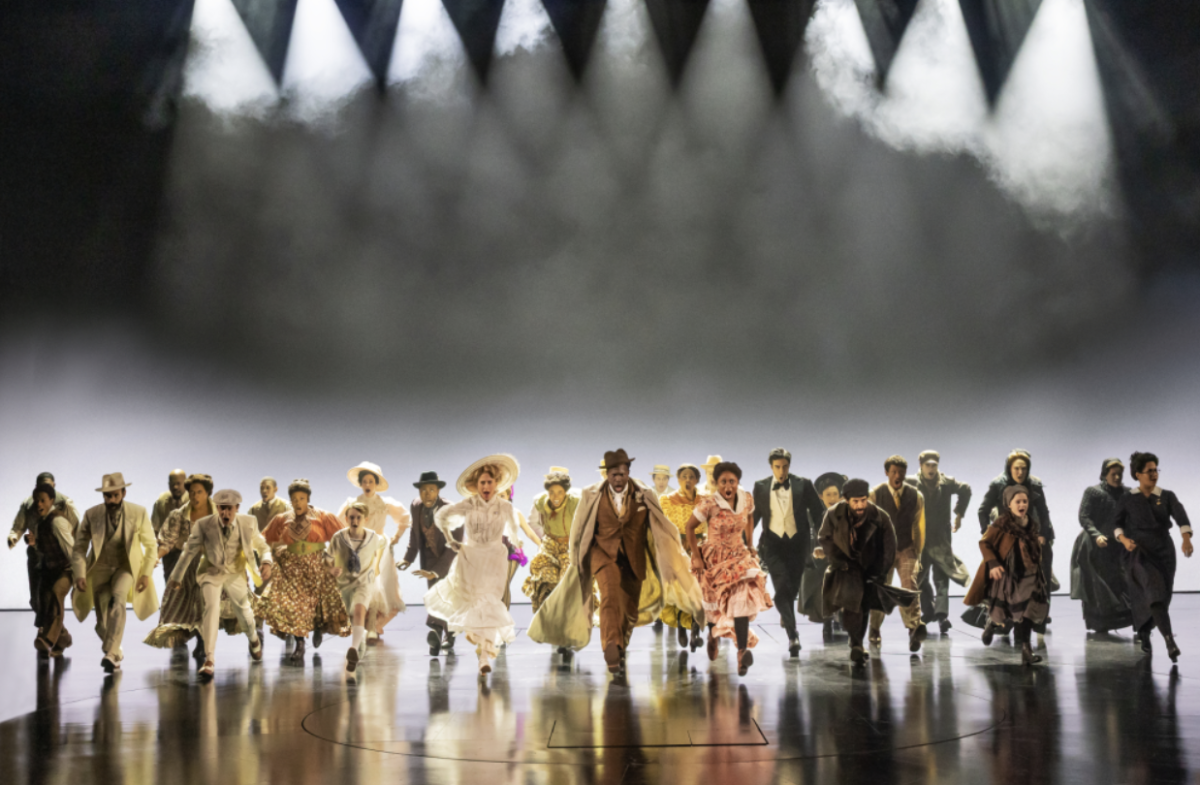
At first glance, Ragtime may appear to be a quiet period musical set in the early 1900s. However, audiences soon realize the show is much more than that. Beneath its powerful music and emotional performances, Ragtime paints a portrait of the United States during a time of dramatic social change. Through intersecting storylines, the play examines immigration, racial injustices, and the pursuit of the American Dream – matters that continue to be relevant today, in the 21st century.
Ragtime, adapted from E.L Doctorow’s novel, displays the overlapping storylines of three central characters. It follows the lives of Tateh, an immigrant artist from Latvia; Coalhouse Walker Jr., a black musician who fights for respect; and Mother, a compassionate white woman from a wealthy suburban family. These characters struggle with very different issues and circumstances, coming from different backgrounds. However, in Ragtime, their stories eventually intersect to display the narrative of many Americans during this time period, and of many to this day.
Tateh immigrated from Latvia to America through Ellis Island with his young daughter. Like other immigrants, they arrived with nothing other than their hope to achieve the “American Dream.” They initially experienced New York tenements, factory labor, and financial hardships before finding long-term employment. Today, immigration rights continue to be denied. ICE policies affect millions who are trying to find safety and stability here, like in the 1900s.
Another reason Ragtime feels modern is its unflinching look at racism. Coalhouse Walker Jr. begins the story confident in the life he has built for himself, but soon faces blatant discrimination that challenges his belief in fairness and justice. When Walker’s wife is beaten to death by a police officer, he turns his grief into a determination to fight for racial equality. One of the musical’s most powerful moments is when he sings, “go out and tell our story, let it echo far and wide….Make them hear you.” This line resonates today, where systemic racism, police brutality, and inequality still persist. Movements such as Black Lives Matter highlight how these issues remain deeply rooted in modern society.
While much of Ragtime is centered around conflict, some of its most meaningful moments come from Mother’s quiet but powerful advocacy. At the start of the musical, Mother is sheltered from the injustices around her, living in a wealthy, white household. However, as she sees the inequality surrounding her, her perspective begins to shift. She takes in Coalhouse Walker Jr. and his wife in a time of vulnerability, and fights back against her husband, who believes in the social hierarchies. Unlike the dramatic storylines, Mother uses quiet rebellion to challenge societal injustices. In a story filled with tension and hardships, Mother’s story represents the possibility of change.
Ultimately, Ragtime addresses century-old questions such as who belongs in America? And what does equality look like? These questions continue to be asked today, as people question immigration policies, deep-rooted racial inequity, and the hypocrisy of the “American Dream.” A powerful piece, Ragtime invites viewers to reflect on the past while recognizing how many of its struggles still shape the present.